

Introduction: Why Latin America Is on the Radar
Let me ask you something—when we talk about fast-growing veterinary markets, what comes to mind? The United States? Germany? Japan?
But what about Latin America?
Over the past decade, countries across the region have quietly transformed their veterinary sectors. Companion animals are no longer just “pets.” They’re family members. And when a family member tears a cruciate ligament or suffers a fracture, what do owners want? The best treatment available.
That’s where veterinary orthopedic implants and surgical tools enter the conversation.
So yes—the demand is real. And it’s accelerating.
The Current State of Veterinary Orthopedics in Latin America
Veterinary orthopedics used to be considered highly specialized in many Latin American countries. Today? It’s becoming mainstream.
Expanding Companion Animal Population
Brazil alone has one of the largest pet populations in the world. According to industry estimates, Brazil ranks among the top global markets for companion animals.
More pets mean more orthopedic cases:
- Cranial cruciate ligament rupture
- Fractures from traffic accidents
- Hip dysplasia
- Spinal injuries
Volume drives demand. It’s simple math.
Humanization of Pets and Rising Expectations
Pet owners increasingly view animals as children. And when you treat pets like family, basic treatment isn’t enough.
They ask:
- “Is there a better surgical option?”
- “Will my dog walk normally again?”
- “What’s the most advanced technique?”
Procedures like TPLO and TTA are no longer rare—they’re expected.
Economic Growth and Healthcare Investment Trends
Latin America is not a uniform market. But many countries have experienced steady growth in private healthcare infrastructure.
Middle-Class Expansion and Spending Power
A growing middle class means higher disposable income. And where does that money go? Increasingly toward pet care.
Advanced surgery is no longer limited to elite clients.
Private Veterinary Hospital Growth
Modern veterinary hospitals are emerging across:
- São Paulo
- Mexico City
- Bogotá
- Santiago
These clinics invest in:
- Digital X-ray
- CT imaging
- Advanced anesthesia
- Orthopedic power tools
When infrastructure improves, implant demand follows.
Key Countries Driving Demand
Brazil: The Regional Powerhouse
Brazil is the largest veterinary market in Latin America.
Why?
- Massive pet population
- Strong domestic veterinary education system
- Expanding specialty hospitals
Brazil sets trends for the region.
Mexico: Gateway to North America
Mexico benefits from geographic proximity to the U.S. Surgical techniques spread quickly across borders.
Many Mexican veterinarians train internationally and bring advanced procedures home.
Colombia, Chile, and Peru: Emerging Hotspots
Colombia, Chile, and Peru are seeing strong growth in private clinics and specialty centers.
They may be smaller markets—but growth rates are impressive.
Most In-Demand Veterinary Orthopedic Implants
So what exactly are surgeons buying?
TPLO Plates and Systems
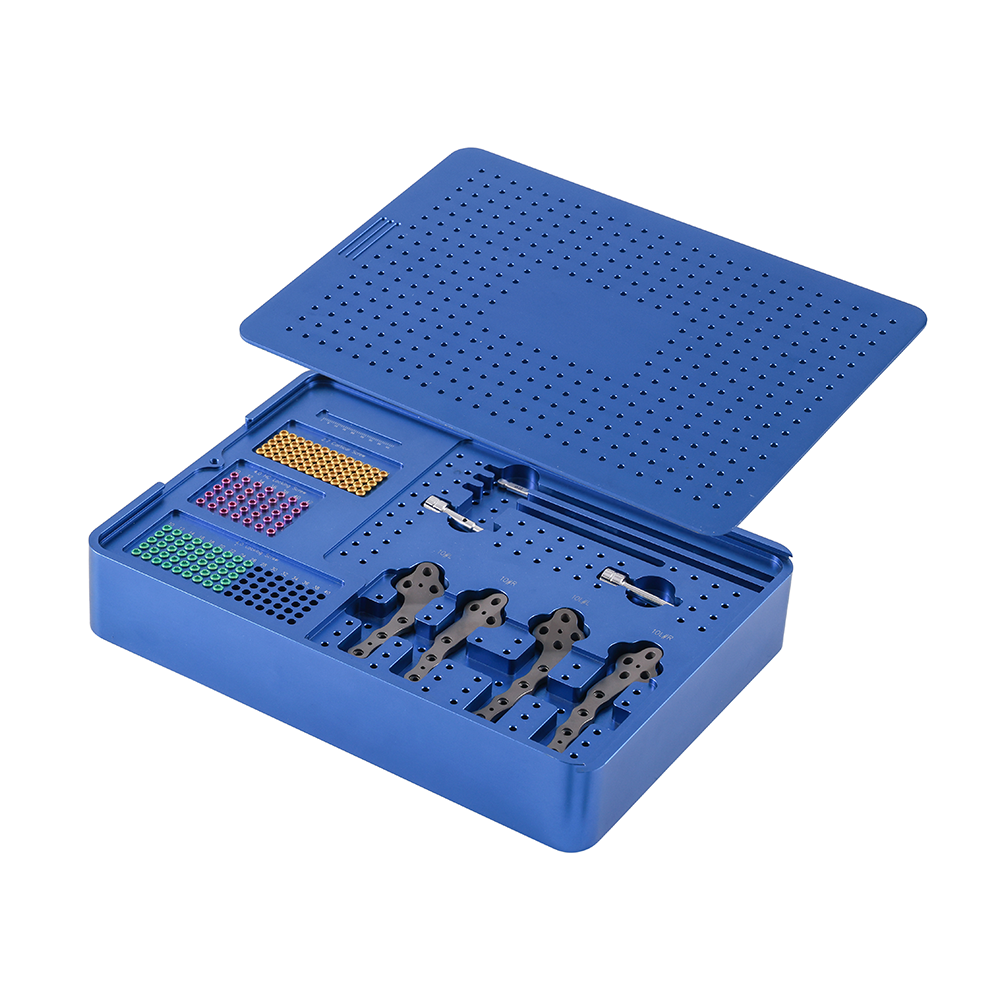
TPLO remains the gold standard for cranial cruciate ligament rupture.
Demand drivers:
- Better outcomes
- Faster recovery
- Owner awareness
High-quality locking TPLO plates are essential.
TTA Systems
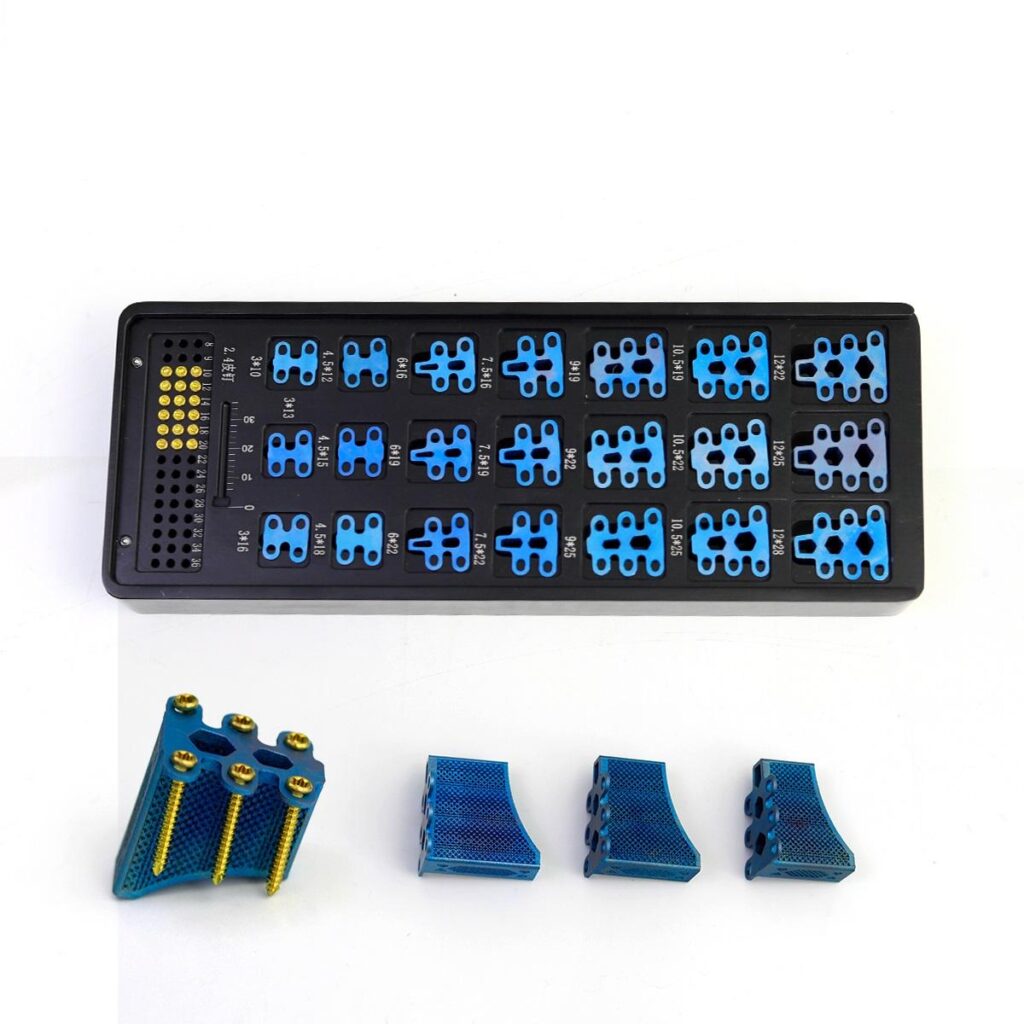
TTA is gaining popularity as an alternative technique.
Why? Surgeons appreciate:
- Biomechanical logic
- Predictable outcomes
- Standardized instrumentation
ALPS Systems
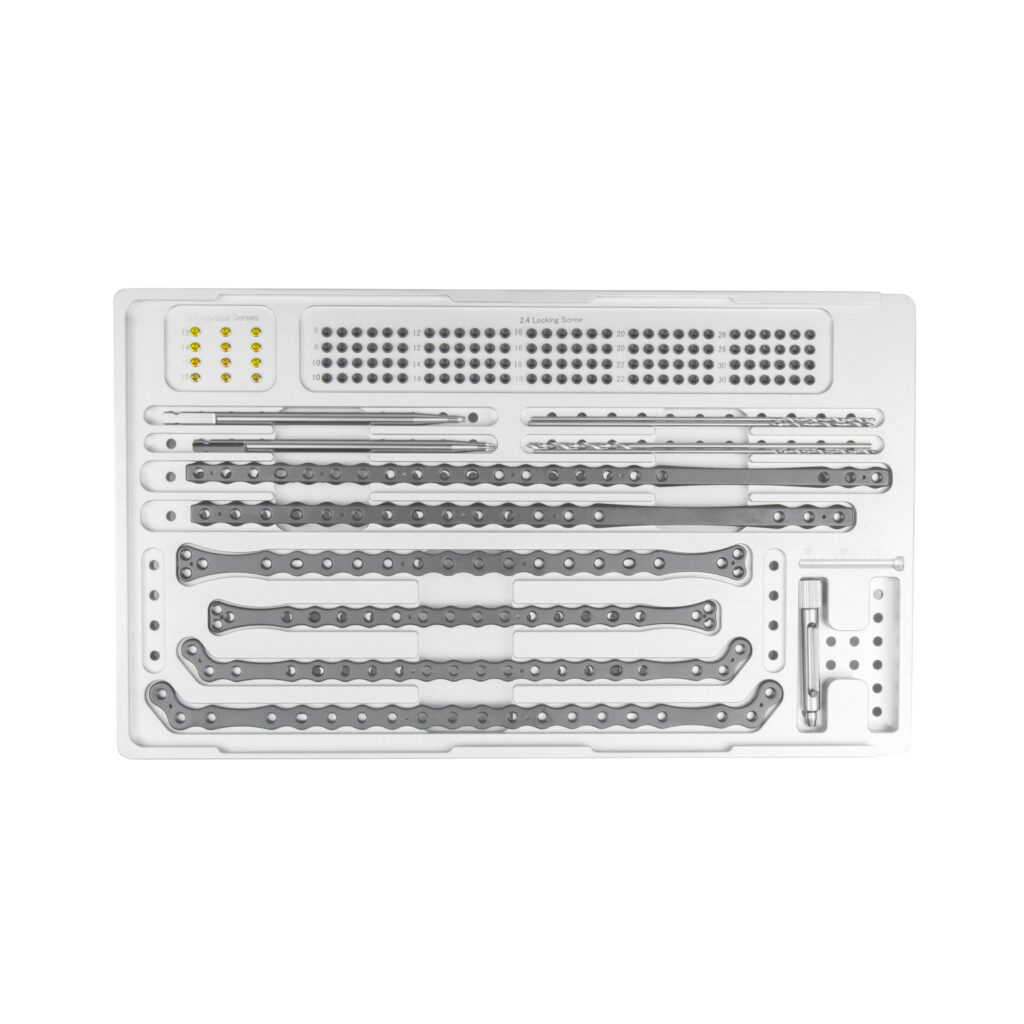
Locking plate systems are replacing traditional non-locking plates.
Benefits:
- Improved stability
- Reduced screw loosening
- Better performance in osteoporotic bone
Spinal Fixation Systems
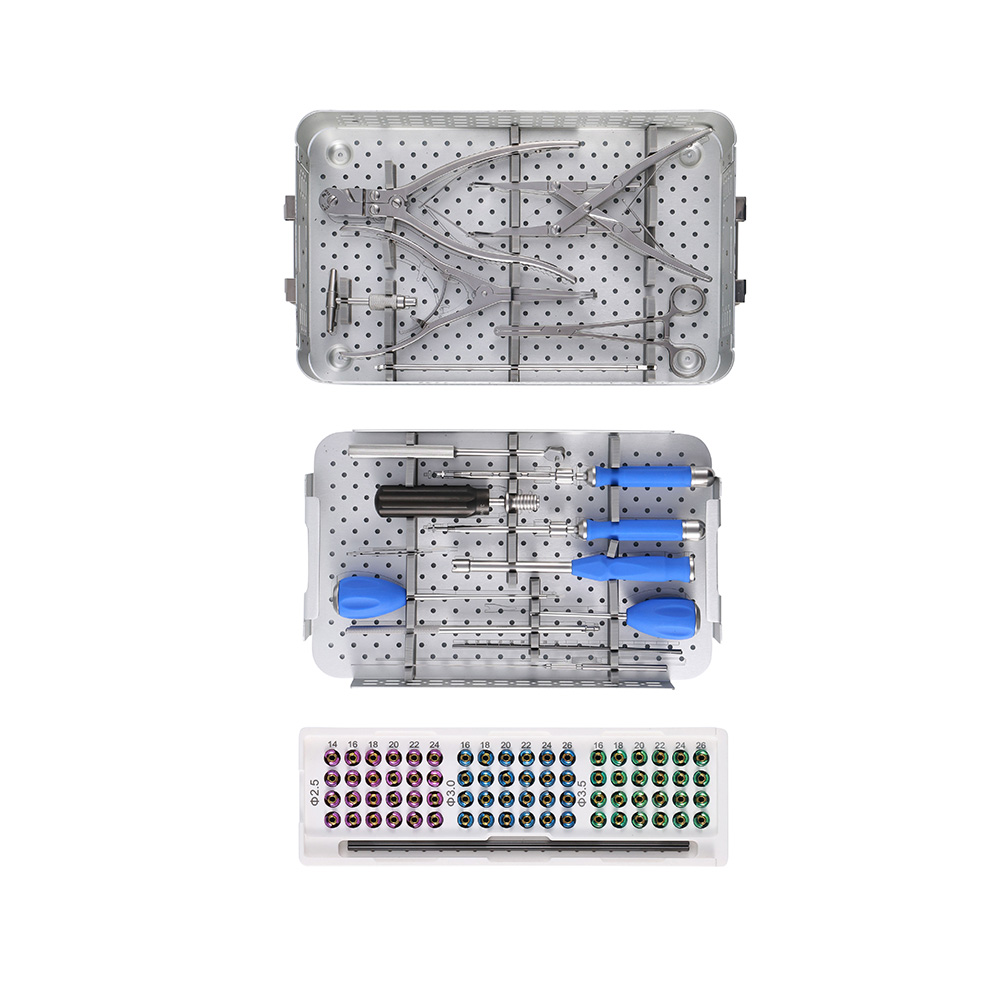
Spinal injuries are increasingly diagnosed thanks to improved imaging.
Demand for:
- Pedicle screws
- Rod systems
- Cross-links
is steadily increasing.
Demand for Advanced Surgical Tools
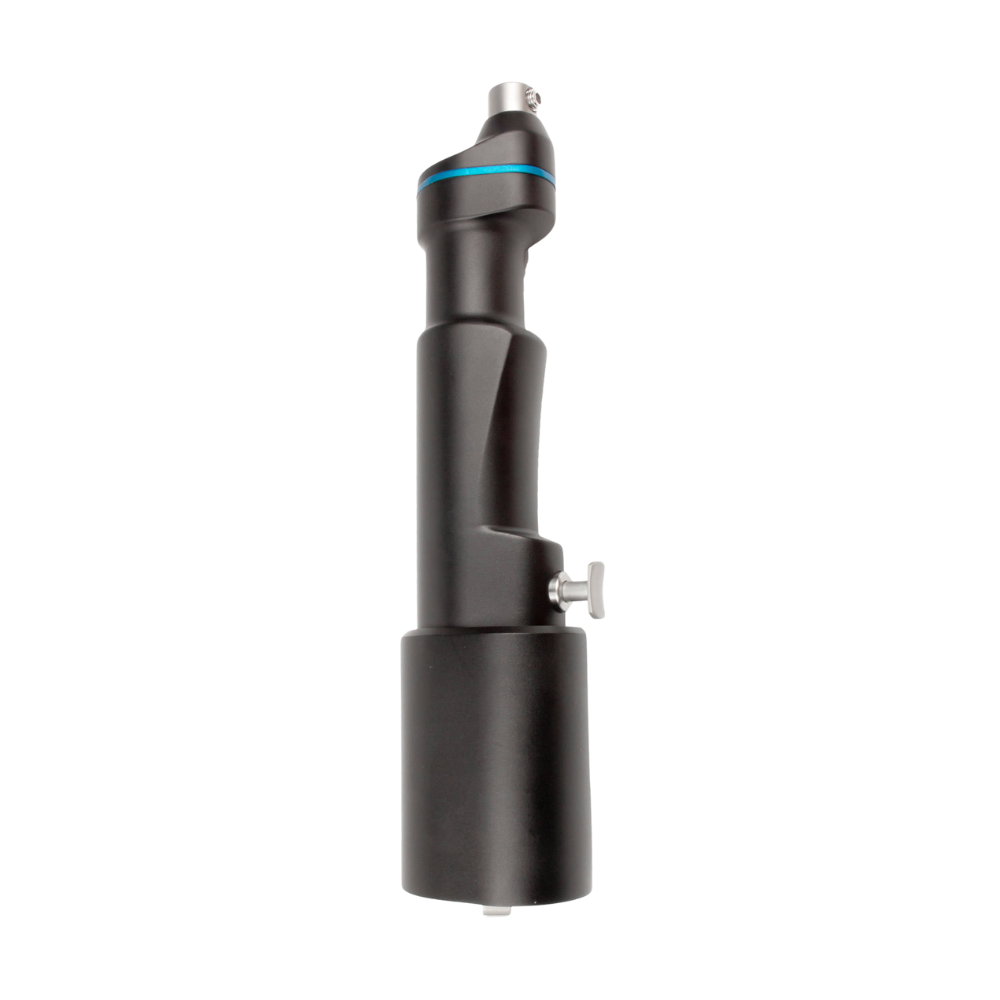
Implants are only half the equation. Instruments matter just as much.
Power Tools and Drill Systems
Modern surgeons expect:
- High-torque drills
- Lightweight handpieces
- Sterilizable batteries
Efficiency equals profitability.
Minimally Invasive Instrumentation
Smaller incisions. Faster recovery. Less trauma.
Minimally invasive orthopedic techniques are slowly entering advanced Latin American hospitals.
Challenges in the Latin American Market
It’s not all smooth sailing.
Import Regulations and Registration
Each country has its own regulatory body. Registration can take months—or longer.
Manufacturers must be patient and strategic.
Price Sensitivity and Currency Fluctuation
Currency instability affects purchasing decisions.
Even if demand exists, exchange rate shifts can delay orders.
Trust and Supplier Reliability Concerns
Many buyers worry:
- Will the shipment arrive?
- Will customs clear it?
- Is the manufacturer legitimate?
Building trust is critical.
The Role of Education and Training
Here’s the truth: demand grows when knowledge grows.
Workshops and Surgical Courses
Hands-on TPLO workshops dramatically increase implant adoption.
When surgeons gain confidence, they invest.
Partnerships with Local KOL Veterinarians
Key opinion leaders influence entire regions.
One respected surgeon can impact dozens of clinics.
Distribution Models and Market Entry Strategies
Direct Sales vs Local Distributors
Local distributors understand:
- Customs
- Payment culture
- Language
- Relationship-building
But direct sales offer better margins.
Choosing the right model is strategic.
Digital Marketing and Social Media
Facebook, Instagram, and YouTube are surprisingly powerful in Latin America.
Educational surgical videos build authority fast.
Competitive Landscape
Global Brands vs Regional Manufacturers
Well-known global brands dominate high-end hospitals.
But mid-tier clinics seek affordable alternatives.
Chinese Manufacturers and Cost Advantage
Chinese manufacturers are increasingly competitive in:
- Quality
- Certification
- Customization
The cost-performance ratio is attractive to Latin American buyers.
Technology Trends Shaping the Market
3D Printing and Custom Implants
3D-printed surgical guides and implants are emerging in referral hospitals.
Still niche—but growing.
Digital Planning and Imaging
Pre-surgical planning software improves precision.
Better planning means better implant outcomes.
Why the Opportunity Is Just Beginning
Latin America’s veterinary orthopedic market is not saturated.
It’s evolving.
Many regions still lack:
- Advanced implant systems
- Training centers
- Reliable suppliers
That gap represents opportunity.
Strategic Recommendations for Manufacturers
If you’re a manufacturer, here’s what matters:
- Invest in education, not just products.
- Provide Spanish and Portuguese marketing materials.
- Offer small starter kits to reduce entry barriers.
- Support surgeons with after-sales technical guidance.
- Build long-term relationships—not just transactions.
In this region, trust equals growth.
Conclusion: Is Latin America the Next Big Growth Engine?
So, is Latin America the next big opportunity for veterinary orthopedic implants and tools?
All signs point to yes.
Growing pet populations. Rising middle-class spending. Expanding specialty hospitals. Increasing surgical sophistication.
The demand isn’t hypothetical. It’s visible. It’s measurable. And it’s accelerating.
For companies willing to invest in relationships, education, and localized strategy, Latin America may very well become the next major growth engine in global veterinary orthopedics.
The question isn’t whether the demand exists.
The real question is—are you ready to meet it?