10% off the first order for new customers

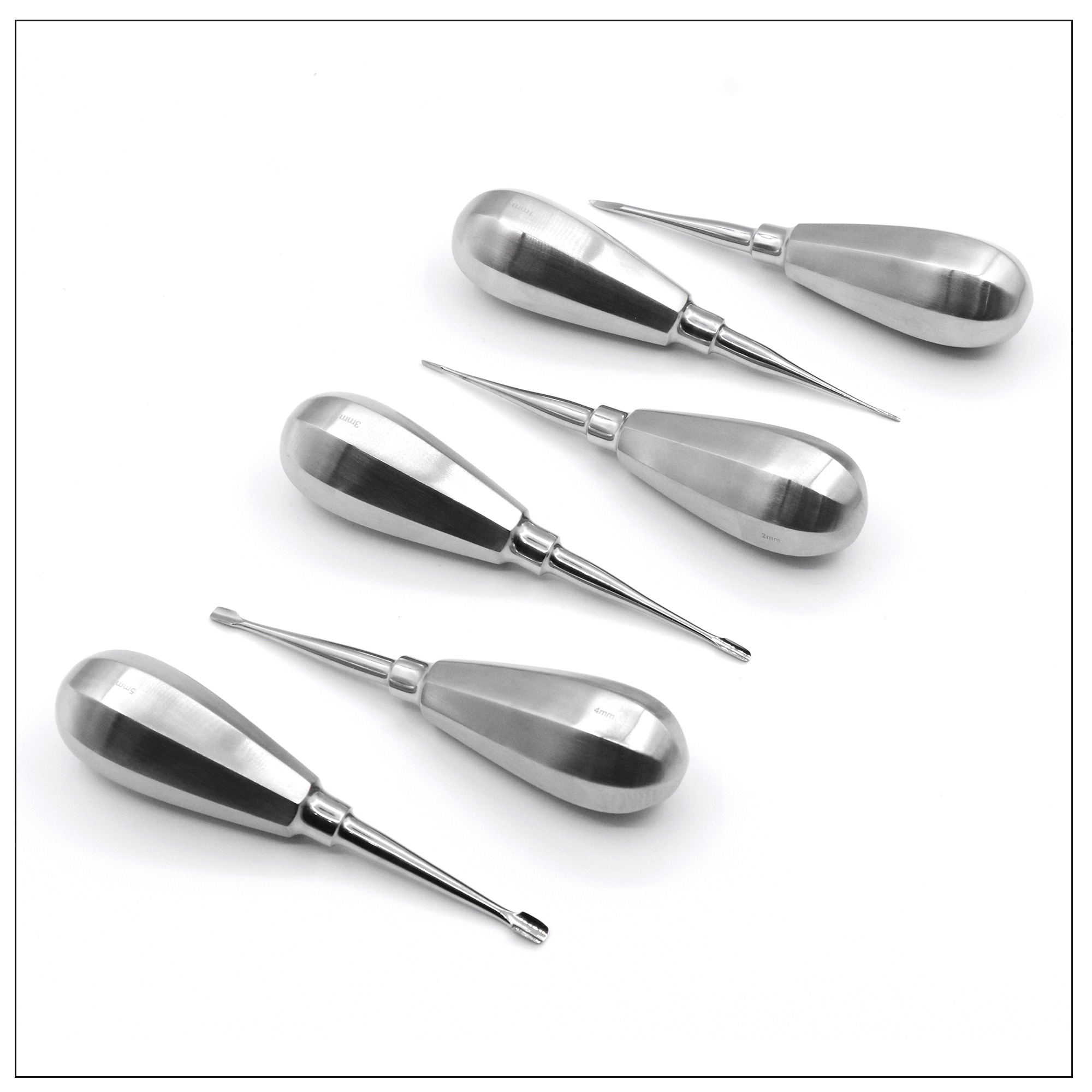
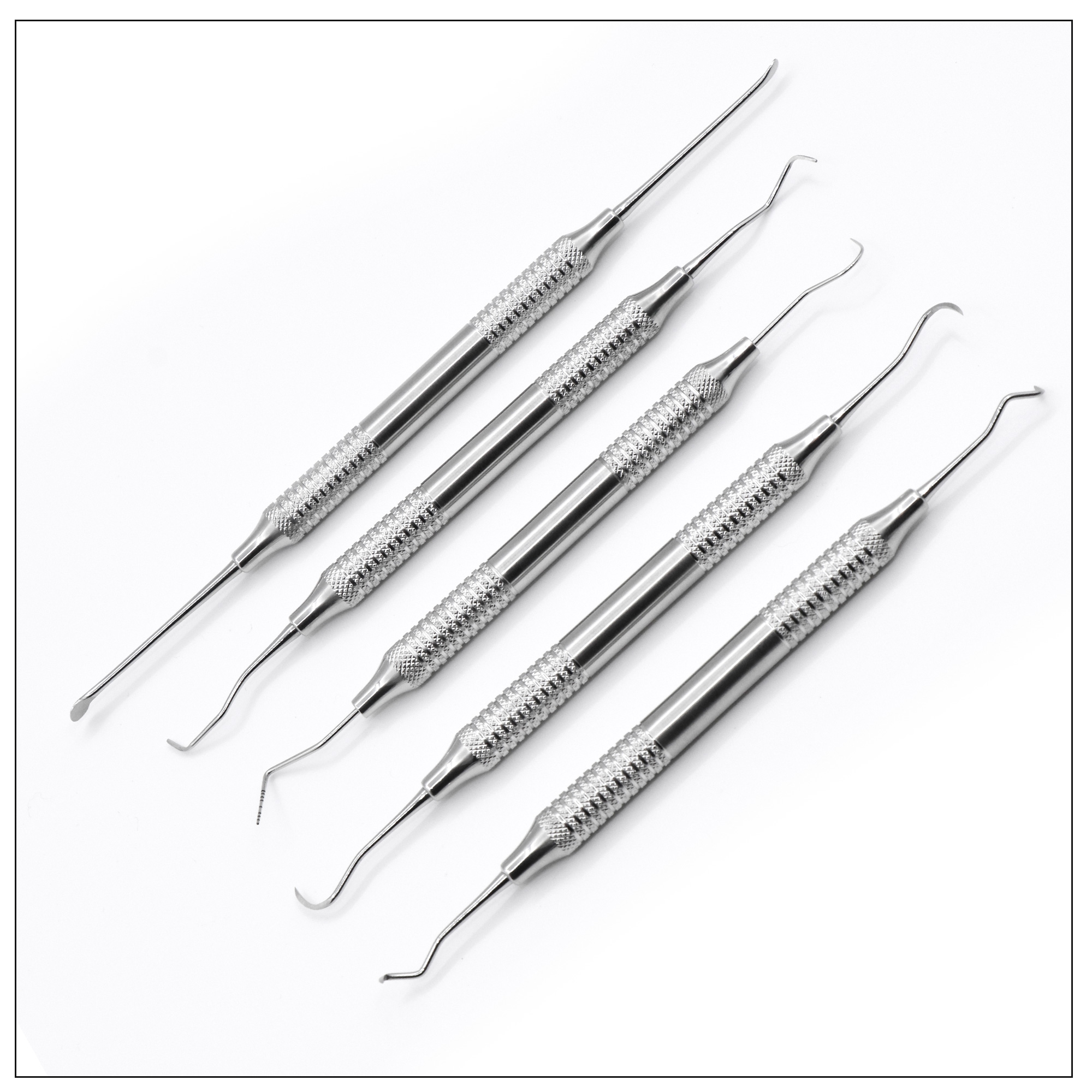
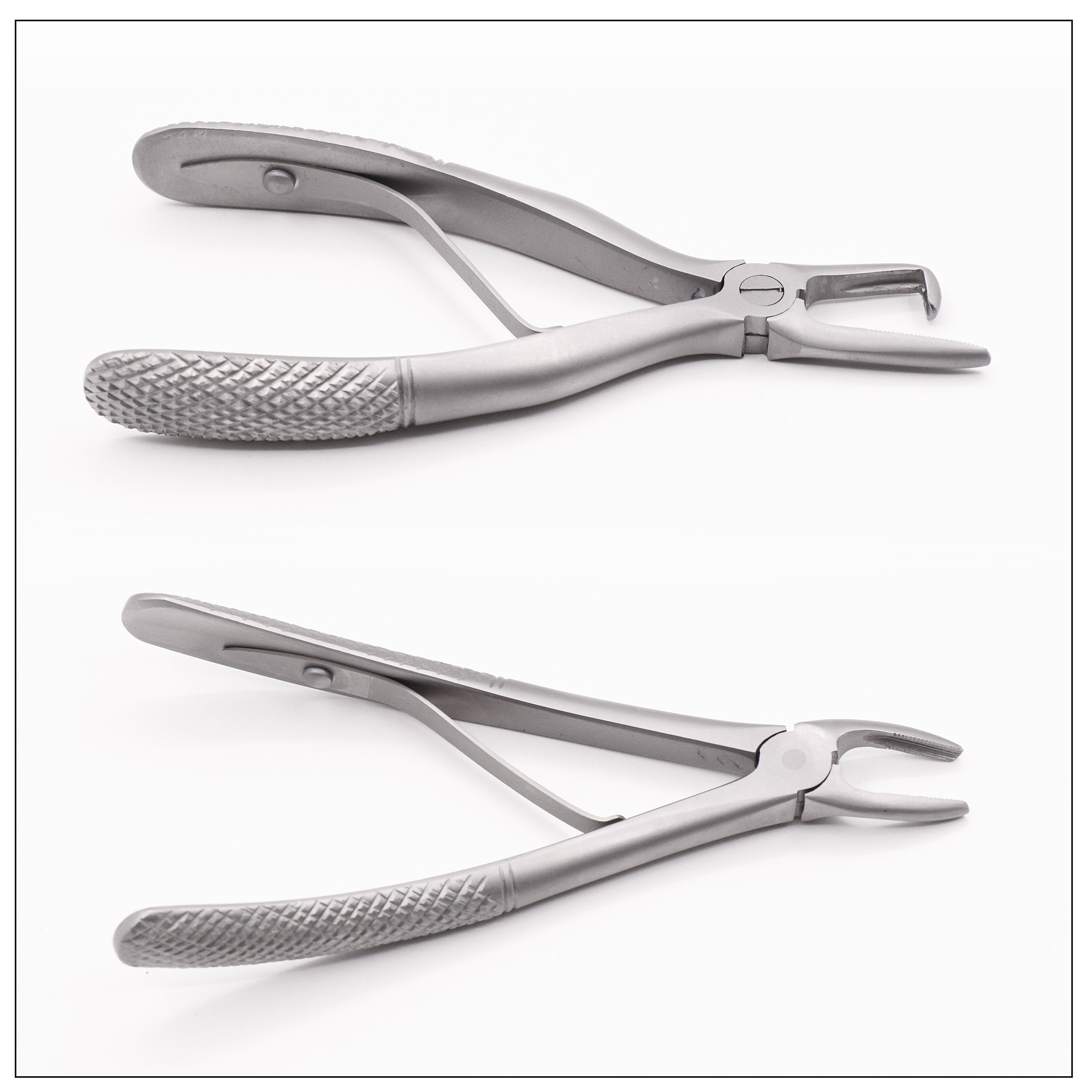
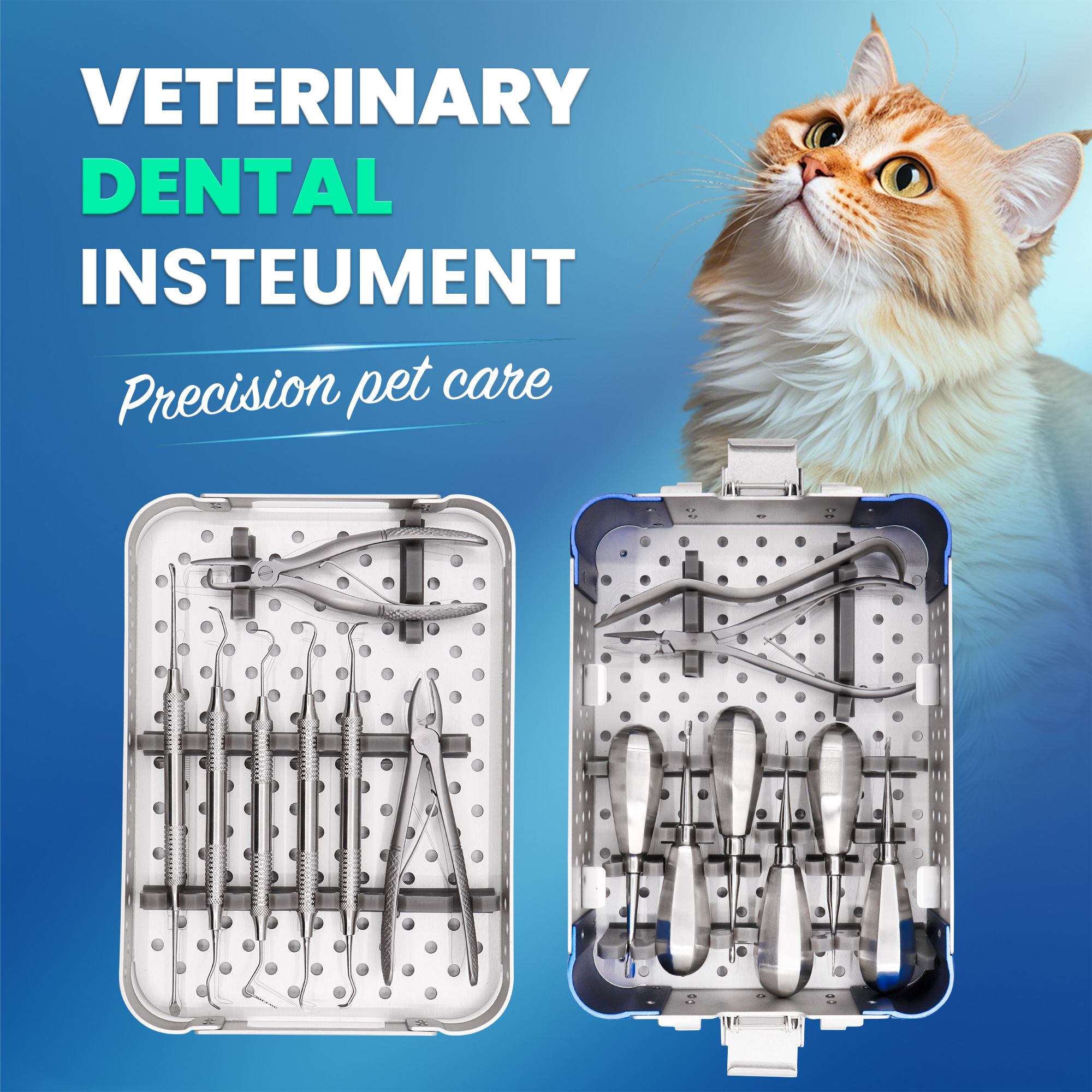
Vet Small Animal Basic Dental Surgical Instruments Set

The Veterinary Dental Instrument Set is an essential surgical toolkit for small animal dental procedures. Made from German stainless steel, it ensures superior precision, durability, and corrosion resistance. Designed for both clinical use and veterinary training, this set provides the core instruments needed for efficient and accurate dental care in dogs and cats.

Product Advantages

vetenary dental instrument set

Organized Layout

Each instrument’s shape is printed inside the box, allowing veterinarians to quickly identify and return tools after use.

vetenary dental instrument set 2

Non-Slip Handle for Safer Precision

Improve your veterinary procedures with our non-slip handle dental instruments! Designed with ergonomic handles for a comfortable, secure grip, these tools ensure every operation is precise and safe. Perfect for a variety of dental procedures, specially crafted to meet professional veterinary needs. Choose high-quality dental instruments to protect pet health and perform every step with ease.

vetenary dental instrument set 4

Multiple Sizes for Every Need

Our veterinary dental instruments come in multiple sizes to suit every procedure and pet size. From small to large, each tool is crafted for precision, comfort, and professional use. Find the perfect fit for every dental task and ensure safe, efficient operations every time.

vetenary dental instrument set 3

Premium German Stainless Steel

Crafted from high-quality German stainless steel, our veterinary dental instruments offer exceptional durability, corrosion resistance, and precision. Designed for professional veterinarians, these tools ensure safe, reliable, and long-lasting performance for every dental procedure.

Real product photos

Small Animal Dental Instruments: The Complete Guide for Modern Veterinary Clinics

Let’s be honest—when most pet owners think about veterinary care, they think about vaccines, surgeries, or emergency visits. Dental care? That often gets overlooked. But as a veterinary professional, you know better.

Small animal dental instruments are the backbone of modern veterinary dentistry. Without the right tools, even the most experienced veterinarian is working at a disadvantage. So what exactly do you need? How do you choose? And what separates average instruments from high-quality professional tools?

Let’s break it all down.

dental room


What Are Small Animal Dental Instruments?

Small animal dental instruments are specialized tools designed specifically for diagnosing, cleaning, and treating dental conditions in pets—primarily dogs and cats.

Unlike human dental tools, these instruments are tailored to smaller oral cavities, delicate tissues, and unique tooth structures. Precision is everything. A millimeter can make a difference.

These instruments range from simple hand tools like scalers and probes to advanced powered equipment like ultrasonic scalers and high-speed handpieces.

Think of them as your dental toolbox. The better the tools, the better the outcome.


Why Dental Care Is Critical for Dogs and Cats

Here’s a question: how many adult dogs and cats develop dental disease? The answer might surprise some pet owners.

The Prevalence of Periodontal Disease

Studies consistently show that over 70% of dogs and 60% of cats show signs of periodontal disease by the age of three. That’s not rare—that’s routine.

Plaque builds up fast. Tartar hardens. Gums become inflamed. And if untreated, the infection progresses beneath the gum line.

Without proper dental instruments, early detection and treatment simply aren’t possible.

The Link Between Oral Health and Systemic Health

The mouth isn’t isolated from the body. Bacteria from dental infections can enter the bloodstream and affect major organs like the heart, liver, and kidneys.

Think of oral health as the front door to overall health. If that door is compromised, everything inside is at risk.

That’s why investing in high-quality veterinary dental instruments isn’t optional—it’s essential.


Main Categories of Small Animal Dental Instruments

To keep things simple, small animal dental instruments fall into four main categories.

Diagnostic Instruments

These tools help you evaluate oral health conditions.

  • Dental mirrors

  • Explorers

  • Periodontal probes

They allow you to detect fractures, cavities, and periodontal pocket depth with accuracy. Good diagnosis always starts with good visibility.

Manual Cleaning Instruments

These include:

  • Hand scalers

  • Curettes

Scalers remove supragingival tartar, while curettes clean below the gum line. Sharpness and balance matter here. A dull instrument increases trauma and effort.

Surgical Instruments

When extraction becomes necessary, you need:

  • Elevators

  • Luxators

  • Extraction forceps

These instruments are designed to minimize tissue damage while maximizing control.

Powered Dental Equipment

Modern veterinary clinics rely heavily on:

  • Ultrasonic scalers

  • High-speed dental handpieces

These tools increase efficiency, reduce operator fatigue, and improve procedural precision.

Time saved during procedures also means less anesthesia time for the patient—a major benefit.


Essential Small Animal Dental Instruments Explained

Let’s take a closer look at some of the most important tools.

Dental Mirrors and Probes

A dental mirror improves visibility in hard-to-reach areas. A probe measures periodontal pockets and detects enamel irregularities.

It’s like driving at night—you need headlights to see clearly.

Scalers and Curettes

Scalers are designed for removing tartar above the gum line. Curettes are used below the gum line for subgingival cleaning.

Together, they form the foundation of professional dental cleaning procedures.

Elevators and Extraction Forceps

Elevators loosen the periodontal ligament before extraction. Forceps then remove the tooth carefully.

Using the correct size and shape ensures smoother extractions and faster healing.

High-Speed Dental Handpieces

High-speed handpieces are critical for sectioning multi-rooted teeth. They allow precise cutting with minimal pressure.

In complex extractions, this tool can significantly reduce surgical time.


Differences Between Canine and Feline Dental Instruments

Not all pets are the same. Their dental anatomy varies significantly.

Instruments for Dogs

Dogs—especially larger breeds—have stronger roots and larger teeth. Instruments must be durable and capable of handling greater force.

Heavy-duty extraction forceps and stronger elevators are often required.

Instruments for Cats

Cats have narrower oral cavities and more delicate structures. Smaller, more refined instruments are essential.

Precision outweighs force in feline dentistry.

Using species-appropriate tools reduces trauma and improves outcomes.


Materials and Manufacturing Quality

Here’s where quality really shows.

German Stainless Steel

High-grade German stainless steel is widely considered the gold standard in surgical instrument manufacturing.

Why?

  • Excellent corrosion resistance

  • Long-lasting sharpness

  • Superior durability

  • Easy sterilization

Quality materials mean longer instrument lifespan and better clinical performance.


Non-Slip Ergonomic Handles

Dental procedures can be lengthy. Wet gloves and small spaces increase difficulty.

Non-slip, ergonomically designed handles improve grip and reduce hand fatigue. Over time, that makes a huge difference in daily clinical practice.

Comfort equals control.


How to Choose the Right Veterinary Dental Instruments

Choosing the right set depends on your clinic’s needs.

Based on Clinic Size

Small clinics may begin with a basic dental kit:

  • Mirror

  • Probe

  • Scaler

  • Curette

  • Elevator

  • Forceps

Larger veterinary hospitals often invest in complete dental systems including ultrasonic scalers and advanced surgical units.

Based on Procedure Type

If your clinic focuses mainly on routine cleanings, prioritize high-quality scalers and curettes.

If you frequently perform extractions and advanced dental surgeries, invest in durable elevators, luxators, and high-speed handpieces.

Always match your equipment to your workflow.


Sterilization and Maintenance Best Practices

Even the best instrument fails without proper care.

Autoclaving remains the gold standard for sterilization. Instruments should be:

  1. Thoroughly cleaned

  2. Completely dried

  3. Properly packaged

  4. Sterilized according to manufacturer guidelines

Regular sharpening of scalers and curettes maintains cutting efficiency and reduces tissue trauma.

Well-maintained instruments can last for years. Poorly maintained ones won’t survive a season.


Future Trends in Veterinary Dentistry

Veterinary dentistry is evolving rapidly.

Digital dental radiography improves diagnostic precision. Piezoelectric surgical systems allow minimally invasive procedures. Advanced materials improve durability and ergonomics.

The future is about precision, efficiency, and reduced trauma.

Clinics that stay updated with modern dental instruments gain a clear competitive advantage.


Frequently Asked Questions

How long do small animal dental instruments last?
With proper maintenance and high-quality materials, instruments can last many years.

Are ultrasonic scalers safe for pets?
Yes, when used correctly with appropriate water cooling and technique.

What is the most essential dental instrument for beginners?
A basic diagnostic and extraction kit including mirror, probe, scaler, curette, elevator, and forceps.


Conclusion: Building a Professional Veterinary Dental Setup

Small animal dental instruments are more than just tools—they are extensions of your skill and expertise.

High-quality instruments improve efficiency, reduce anesthesia time, minimize trauma, and ultimately deliver better patient outcomes.

If you think of your clinic as a workshop, your instruments are your foundation. Would you build something important with unreliable tools? Of course not.

Invest in quality. Maintain your equipment. Upgrade when necessary.

Because healthier teeth mean healthier pets—and that’s what great veterinary care is all about.


Contact us