10% off the first order for new customers
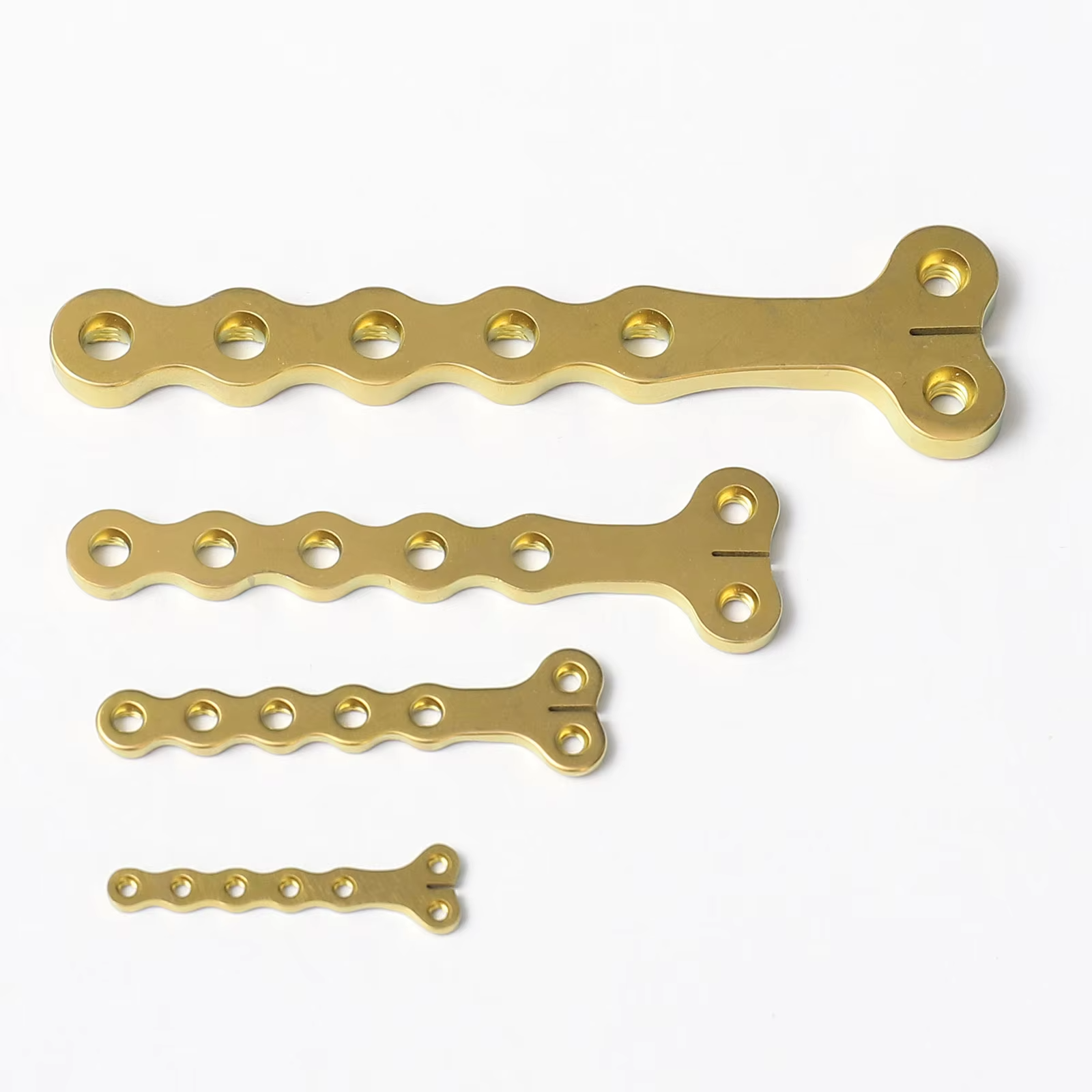
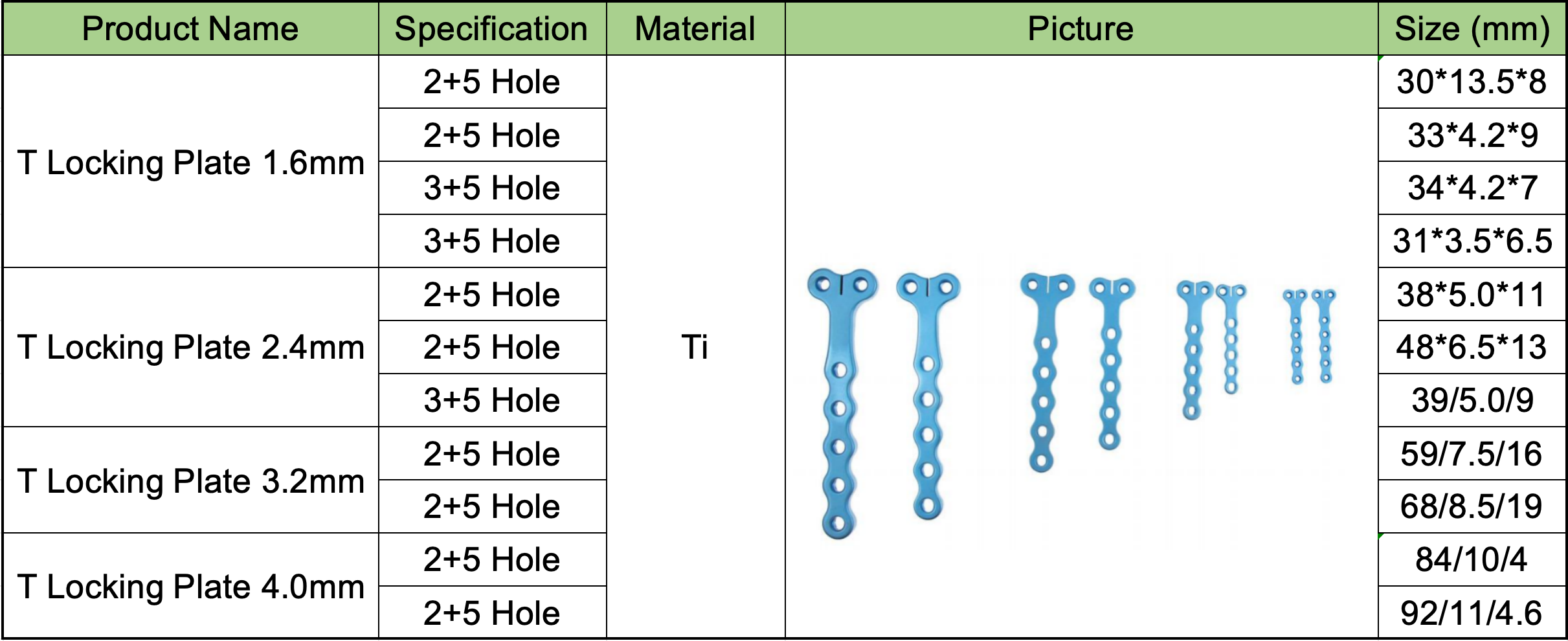
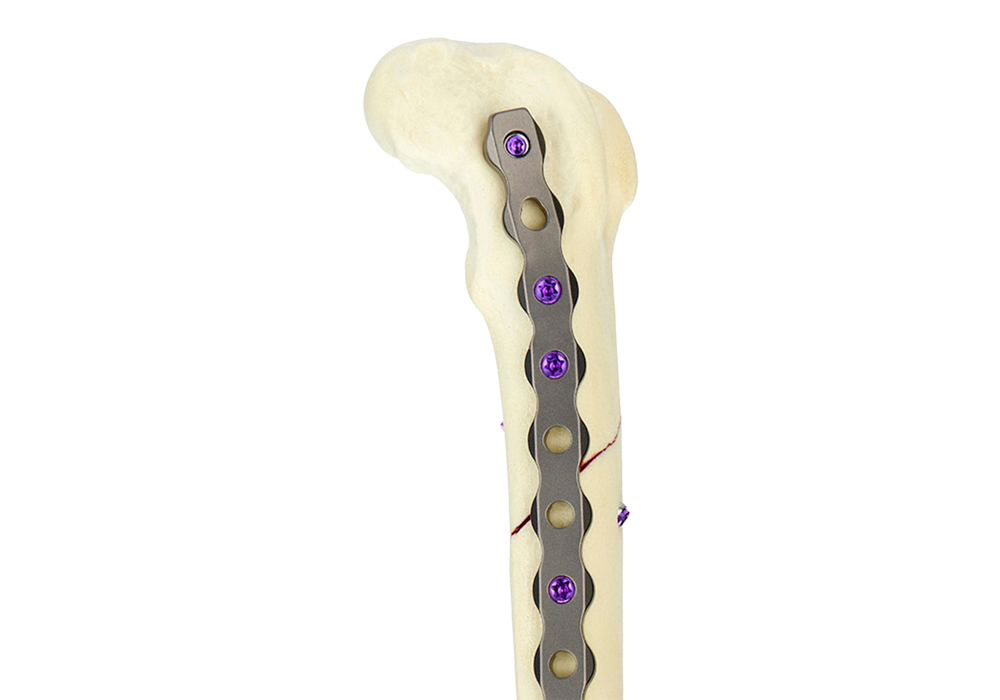
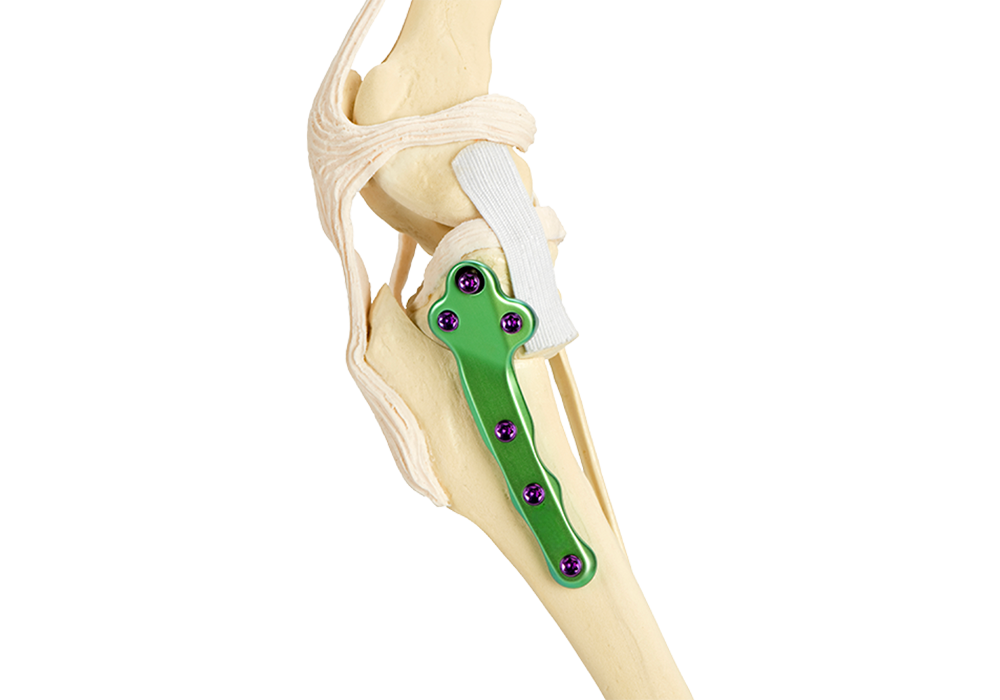
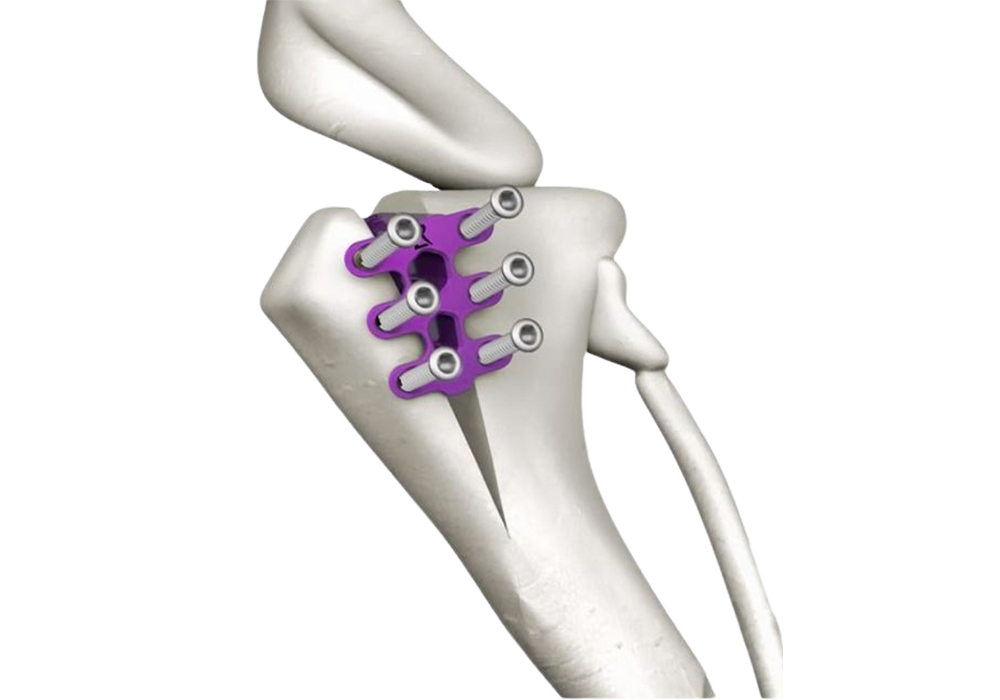
T-Type Locking Plate is designed for use in veterinary orthopedic surgeries. Made from high-quality titanium, it offers excellent durability, optimal biocompatibility, and superior mechanical properties for effective bone fixation. Available in 2+5, 3+5 hole configurations, it is ideal for stabilizing fractures in various animal species.
When it comes to fracture repair in small animals, stability is everything. Without it, healing slows down, complications increase, and both veterinarian and pet owner feel the pressure. That’s exactly where the Veterinary Orthopedic 1.6/2.4/3.2/4.0mm T Locking Plate comes in.
Think of it as the engineered backbone of modern small animal fracture management. Strong. Precise. Reliable.
Let’s break it down together.
Orthopedic surgery has evolved dramatically over the past two decades. Traditional compression plating once dominated fracture repair. But today? Locking technology leads the way.
T locking plates are specifically designed to address metaphyseal and periarticular fractures where conventional straight plates simply don’t provide optimal fixation.
A T locking plate is a specially shaped plate featuring a “T” configuration at one end. This widened head allows multiple screws to be placed in smaller bone segments near joints.
Why does that matter?
Because distal fractures often leave very little bone stock for screw purchase. The T design maximizes fixation in limited space.
The vertical stem aligns with the diaphysis.
The horizontal head supports metaphyseal or epiphyseal fragments.
Multiple locking holes in the head allow angular stability. It’s like building a stable platform on soft ground.
Unlike conventional screws that compress the plate against bone, locking screws thread into the plate itself. This creates a fixed-angle construct.
Plate + screw = single rigid unit.
That means:
Let’s be honest—conventional plating works. But locking plates work smarter.
Conventional plates rely on friction between plate and bone.
Locking plates rely on mechanical interlock.
One depends on compression.
The other depends on angular stability.
Which sounds more reliable in fragile distal fractures?
Modern fracture repair emphasizes preserving blood supply. Locking plates allow bridging techniques with minimal bone contact.
Better biology = better healing.
Small patients need small implants. The 1.6mm T locking plate is ideal for:
These patients often present distal radius and ulna fractures. Their bones are delicate, and screw purchase is limited.
The 1.6mm system offers precision without overwhelming bone structure.
The 2.4mm system is arguably the most versatile size in small animal practice.
Perfect for:
Pre-contouring may be minimal due to anatomical plate shaping. Screw trajectory planning is essential to avoid joint penetration.
As patient size increases, load demands rise.
Think:
These cases require stronger constructs.
Is the fracture stable enough to share load?
Or must the plate carry everything?
The 3.2mm T plate can do both—depending on technique.
Large breed fractures bring serious biomechanical forces.
The 4.0mm T locking plate offers maximal stability.
Distal humeral fractures especially benefit from multi-screw head fixation.
Strong. Balanced. Secure.
Material choice impacts long-term success.
Titanium:
Stainless Steel:
Both perform well when properly selected.
Angular stability prevents screw toggle and secondary displacement. This is critical in comminuted fractures.
Technique matters more than implant alone.
Planning reduces surprises.
Although locking plates require less contouring, anatomical fit remains important.
Precision prevents complications.
Most common use worldwide.
Particularly in young active dogs.
Where small bone fragments demand multi-directional fixation.
It’s like upgrading from manual tools to precision engineering.
Even the best implants require correct technique.
Common risks:
Prevention?
Meticulous planning. Aseptic technique. Correct implant selection.
Stability doesn’t eliminate aftercare.
Healing is teamwork—implant + surgeon + owner.
Ask yourself:
Matching implant strength to biomechanical demand is critical.
Too small? Risk of failure.
Too large? Risk of stress shielding.
Balance is key.
We’re seeing:
The goal? Faster healing. Less trauma. Better outcomes.
The Veterinary Orthopedic 1.6/2.4/3.2/4.0mm T Locking Plate isn’t just another implant. It represents a shift in how we approach fracture stability.
From tiny cats to large working dogs, each size serves a specific biomechanical purpose.
When chosen correctly and applied with precision, these plates provide:
At the end of the day, that’s what matters most—getting our patients back on their feet, pain-free and active.
Because orthopedic surgery isn’t just about metal and screws.
It’s about restoring movement. Restoring life.
zHernoda is a professional enterprise dedicated to veterinary orthopedics, integrating research, development, production, and sales. Our main products include ALPS locking plates, TPLO plates, TTA implants, and veterinary power tools, which meet the diverse needs of small animal orthopedic surgery.
Guided by the philosophy of “Professional, Innovative, and Reliable”, we adopt advanced manufacturing processes and strict quality control to ensure the safety and clinical applicability of every product. With excellent products and comprehensive services, Hernoda has earned the trust of numerous veterinary professionals and will continue to contribute to the advancement of veterinary orthopedics and the improvement of animal health worldwide.

CE/iSO-certified implants undergorigorous smechanical, fatigue, andclinical testing to ensure premiumquality and reliability.
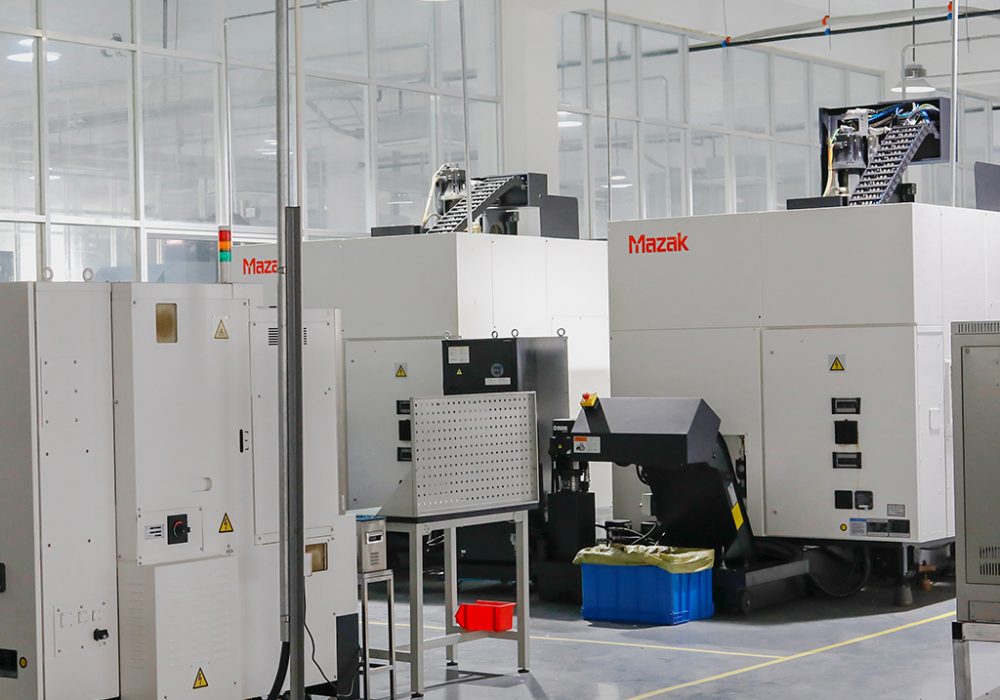
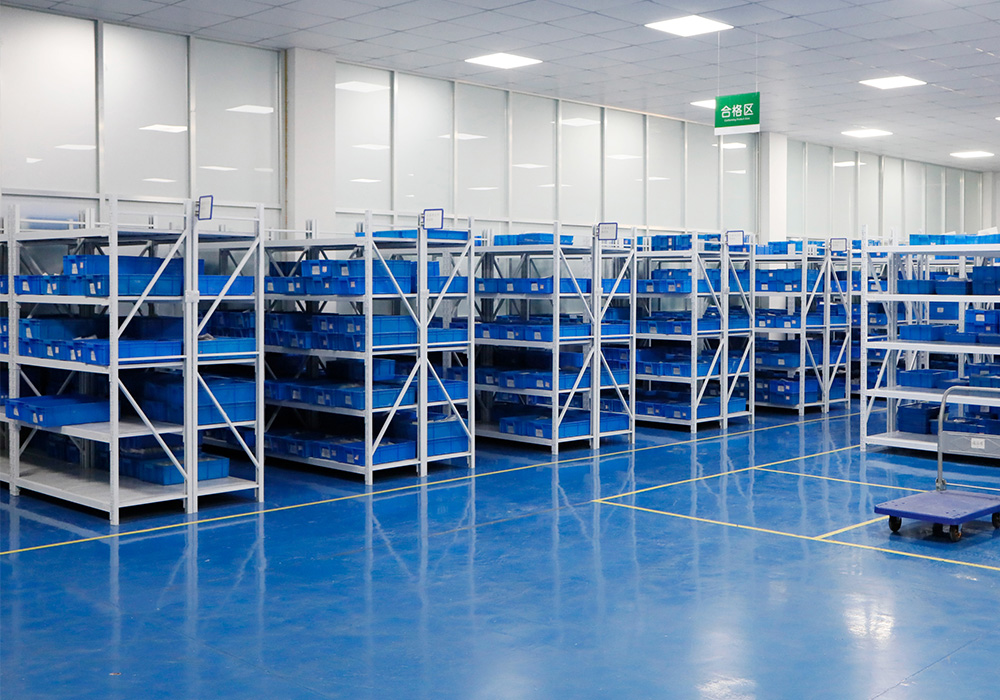
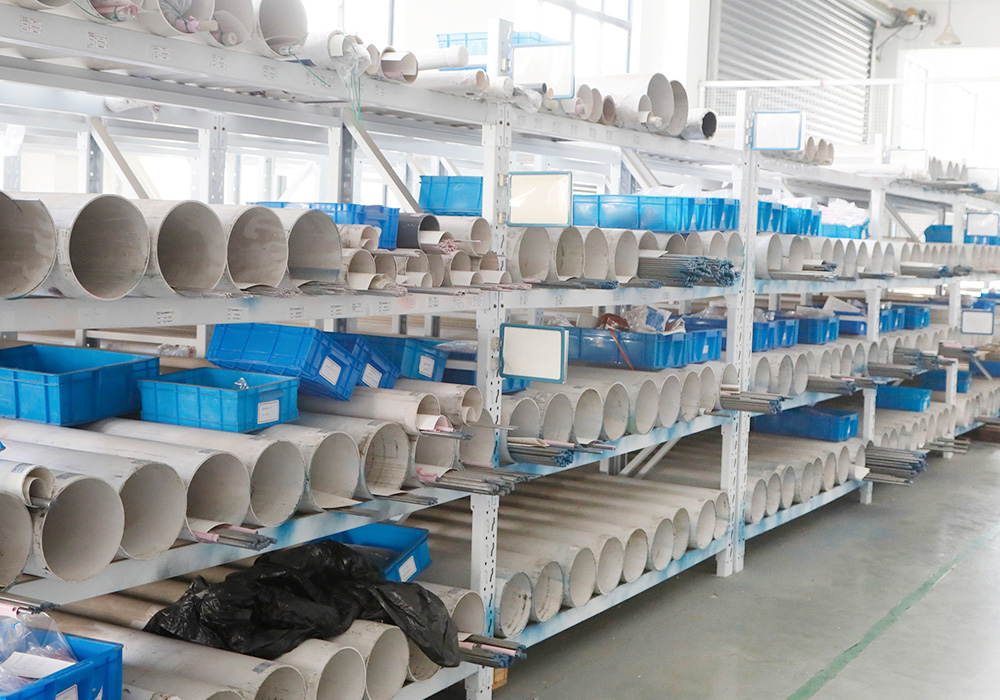
Premium CNC-made implants using global materials with strict full-process QC ensure top-tier precision and reliability.
Globally benchmarked implants with 100,000+ case optimizations offer rapid customization and
expert-engineered solutions for unique clinical needs.
Fast 7-day global delivery with dedicated logistics support solving the Custom issues.
Round-the-clock multilingual support with guaranteed 72-hour solutions, comprehensive training, and proactive follow-ups for seamless service.

One-stop implant solutions with global registration support create lasting partnerships through integrated products and services.
Our comprehensive range covers a variety of veterinary orthopedic procedures, including: